Compassionate environment
A respectful space where individuals and families can talk openly without judgment.
Rana Ji Nasha Mukti Yog Evam Meditation Trust provides structured support for individuals and families seeking a path toward recovery, rehabilitation, emotional wellbeing and a healthier lifestyle.
Shamli, Uttar Pradesh · Kairana–Panipat Road

Anjeev Choudhary Ji
Director, Rana Ji Nasha Mukti Yog Evam Meditation Trust
Addiction does not only affect one person — it touches the whole family. As Director of the Trust, my focus is to create a respectful and structured environment where individuals can begin recovery with counselling, rehabilitation support, yoga and meditation — and where families feel heard and guided.
We believe recovery is possible with the right support. There are no shortcuts and no guaranteed claims — only sincere effort, daily discipline, emotional care and a path toward a healthier, addiction-free life.
“नशा मुक्त समाज | स्वस्थ जीवन | उज्ज्वल कल”
When substance use begins to affect health, relationships, work or peace of mind, families often feel unsure where to turn. At Rana Ji Nasha Mukti Yog Evam Meditation Trust, we focus on compassionate, structured support that respects each person’s pace.
Recovery may take patience. Counselling can help identify patterns and triggers. Healthy routines can support rehabilitation. Family involvement and continued aftercare can help people protect the progress they make. Our role is to walk alongside individuals and families with clarity, dignity and care.
Learn About the Trust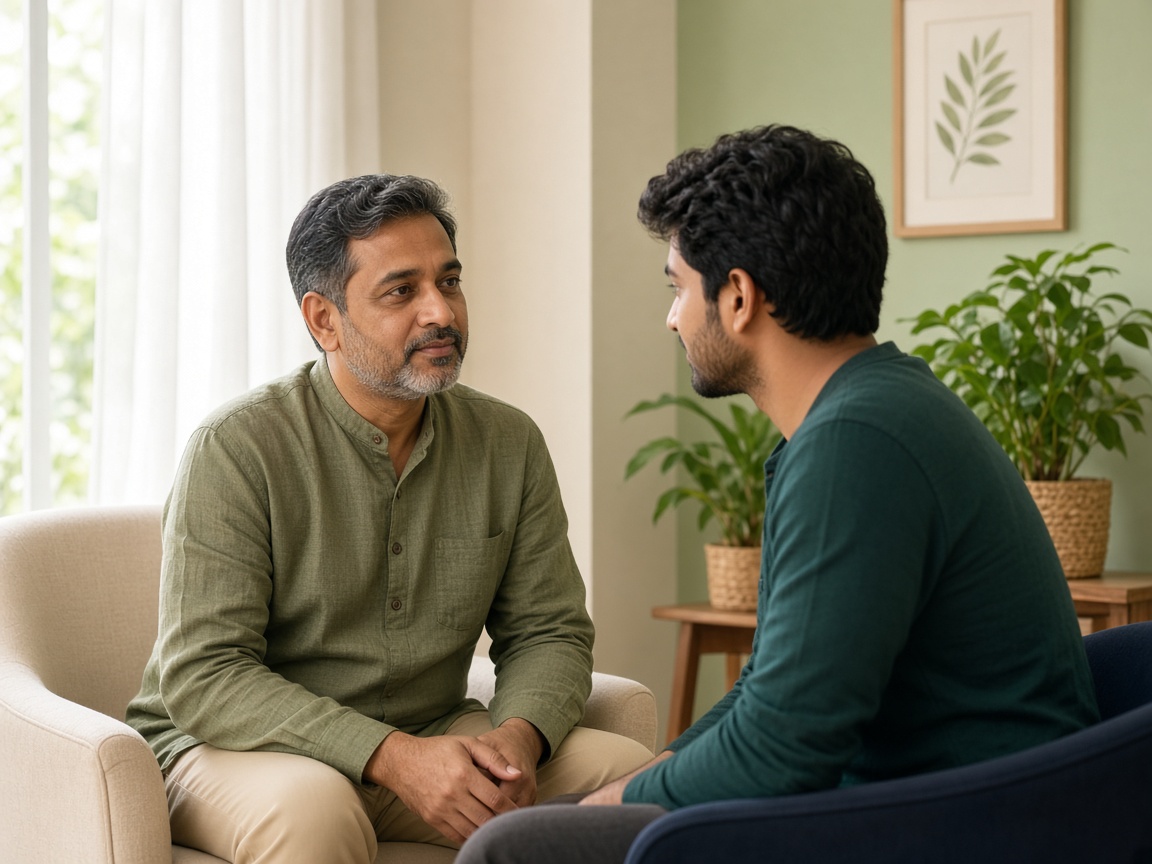
Located on Kairana–Panipat Road in Shamli, Uttar Pradesh, the Trust brings together de-addiction support, counselling, rehabilitation guidance, family involvement, yoga and meditation. We serve people from Shamli and nearby areas who are looking for a respectful place to begin or continue their recovery journey.
We do not claim shortcuts or guaranteed outcomes. We offer a calm environment where people can work on recovery with guidance and practical routines.
A respectful space where individuals and families can talk openly without judgment.
Guidance that looks at habits, emotions, relationships and daily structure together.
Each person’s history, motivation and challenges are different — support can be planned accordingly.
Families often need clarity, communication tools and realistic ways to support recovery.
Healthy daily rhythms can rebuild discipline, responsibility and a sense of purpose.
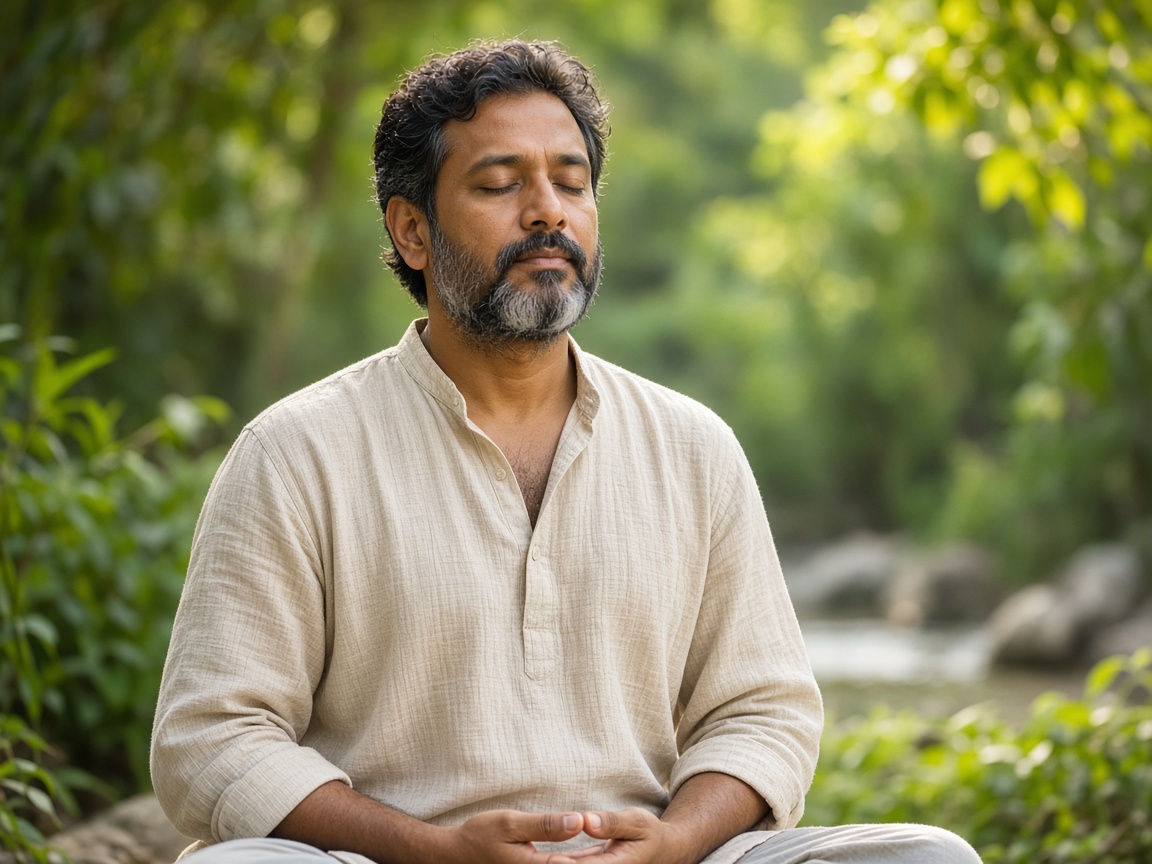
Yoga and meditation can support relaxation, self-awareness and emotional balance as part of a broader plan.
Recovery support works best when it is clear, human and step by step — not rushed or one-size-fits-all.
We begin by understanding the person’s situation, concerns and family context.
Counselling, rehabilitation activities and wellness practices are aligned to individual needs.
Healthy habits, emotional skills and responsibility are strengthened over time.
Relapse prevention, family support and aftercare help protect long-term wellbeing.
Explore structured programmes for alcohol and drug-related concerns, counselling, rehabilitation, family support, yoga and aftercare.
 01
01
Structured support for alcohol dependency with counselling and recovery-focused guidance.
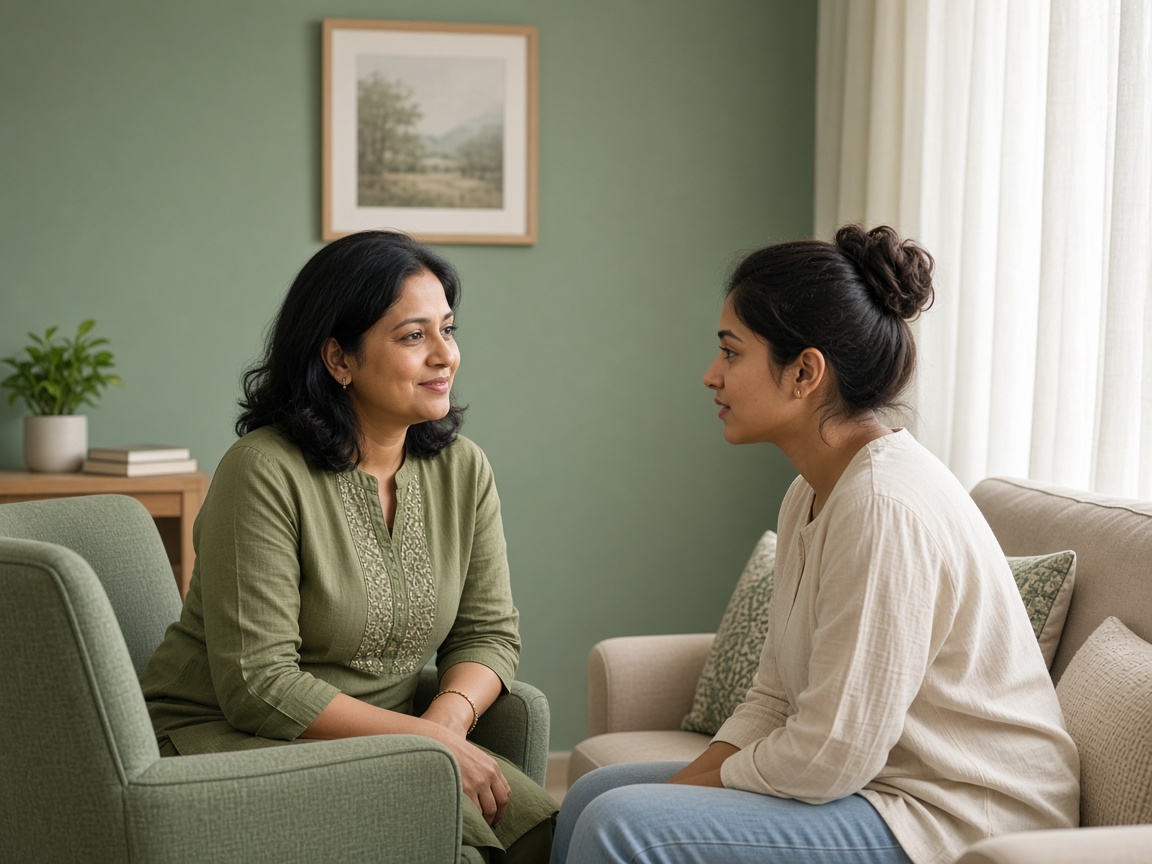 02
02
Individual recovery plans for substance dependency with behavioural support and monitoring.
 03
03
Supervised detox support with careful withdrawal awareness and individual planning.
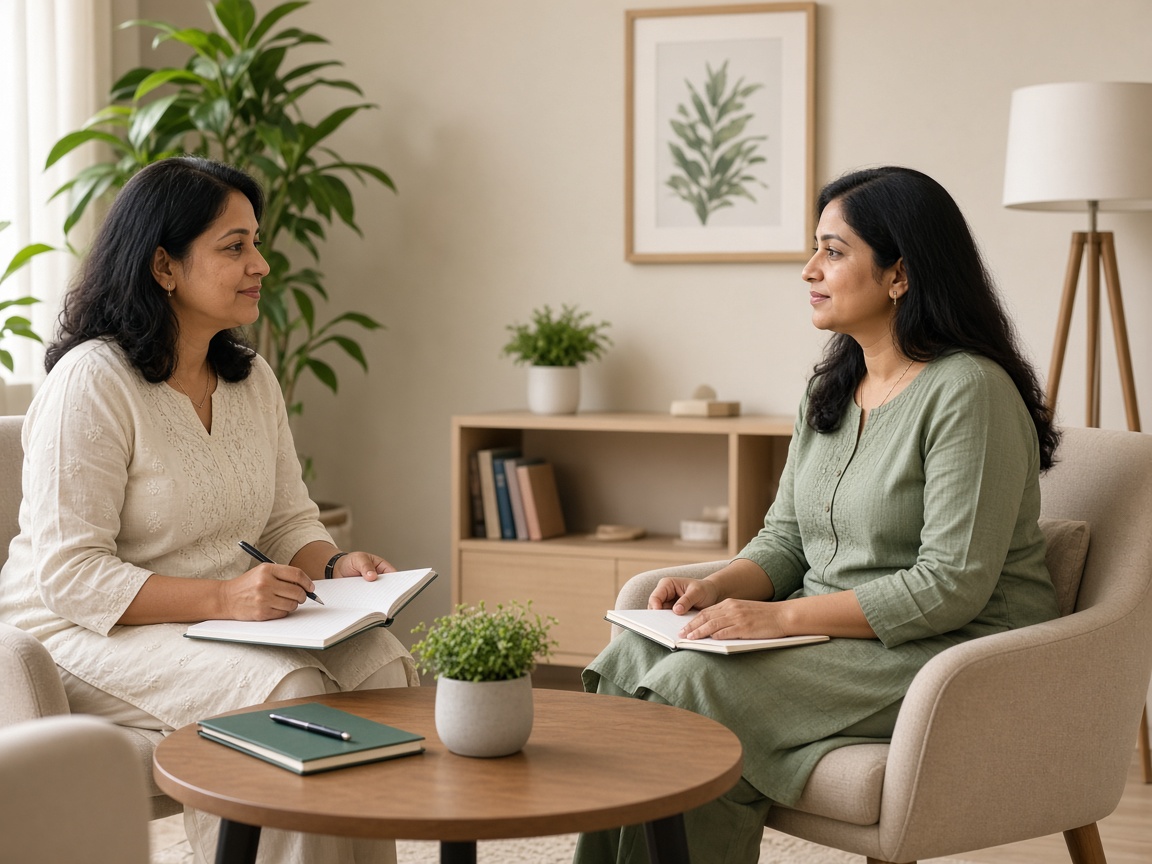 04
04
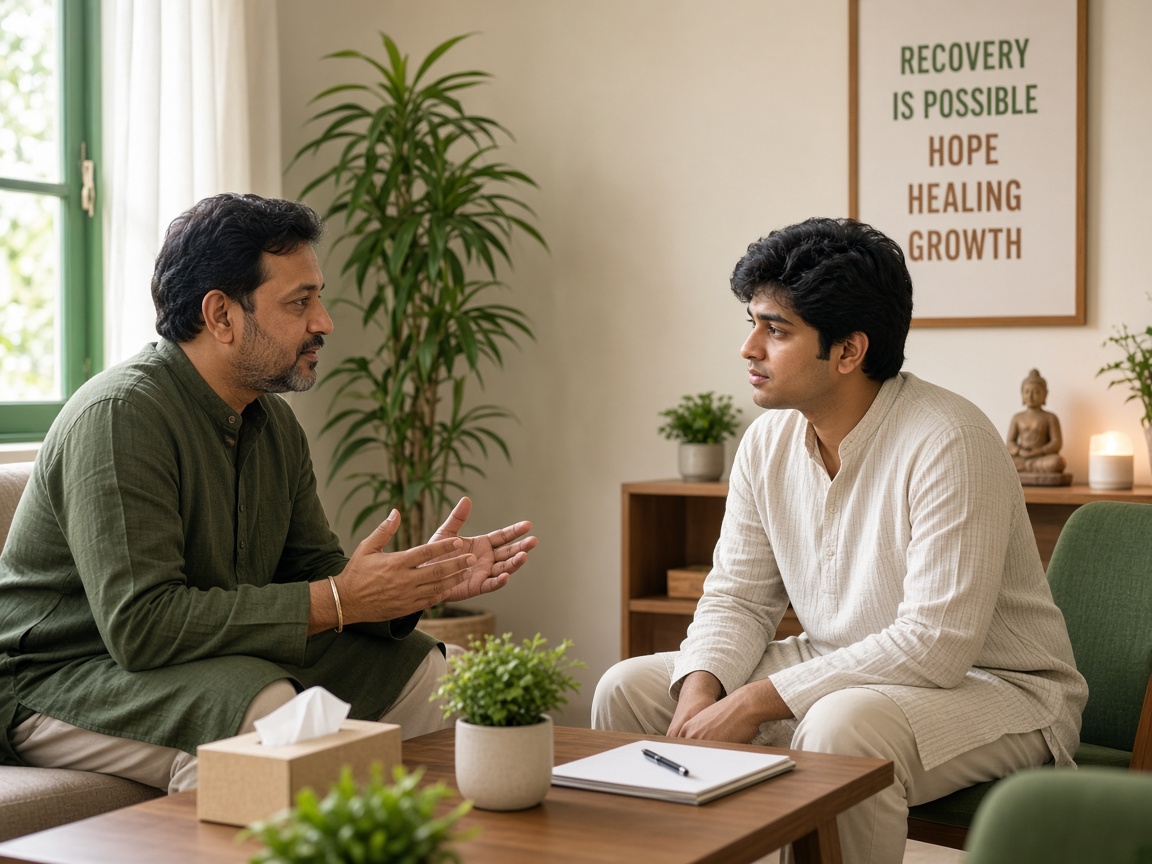
One-to-one sessions to build motivation, emotional strength and healthier patterns.
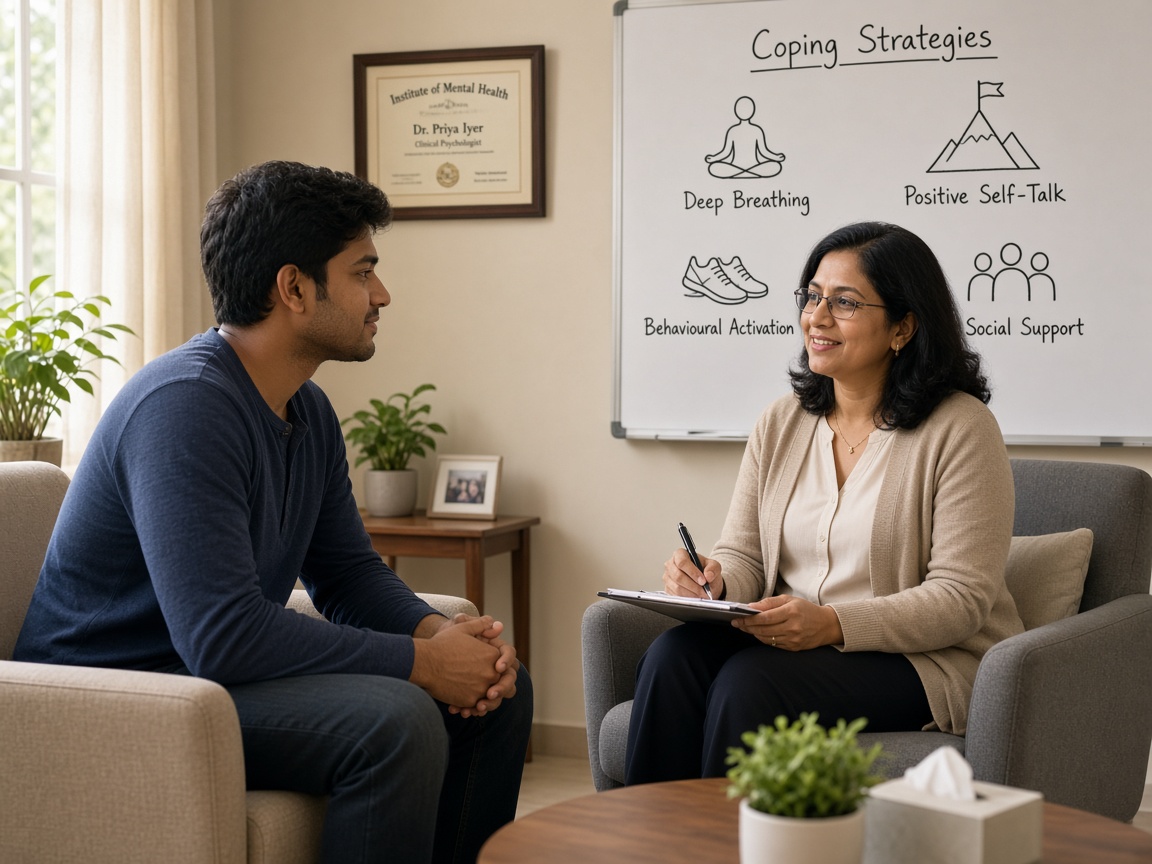 05
05
Help identifying triggers, managing stress and developing practical coping skills.
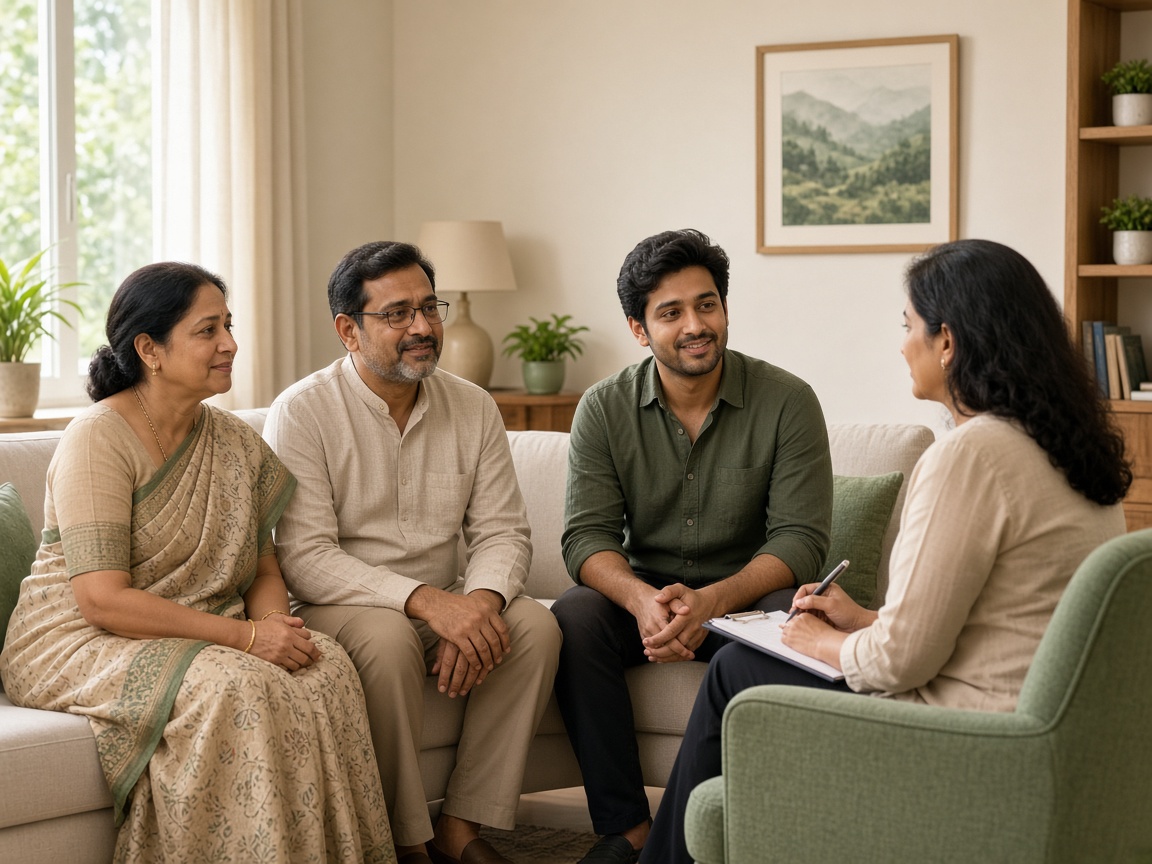 06
06
Guidance for families to communicate better and support recovery together.
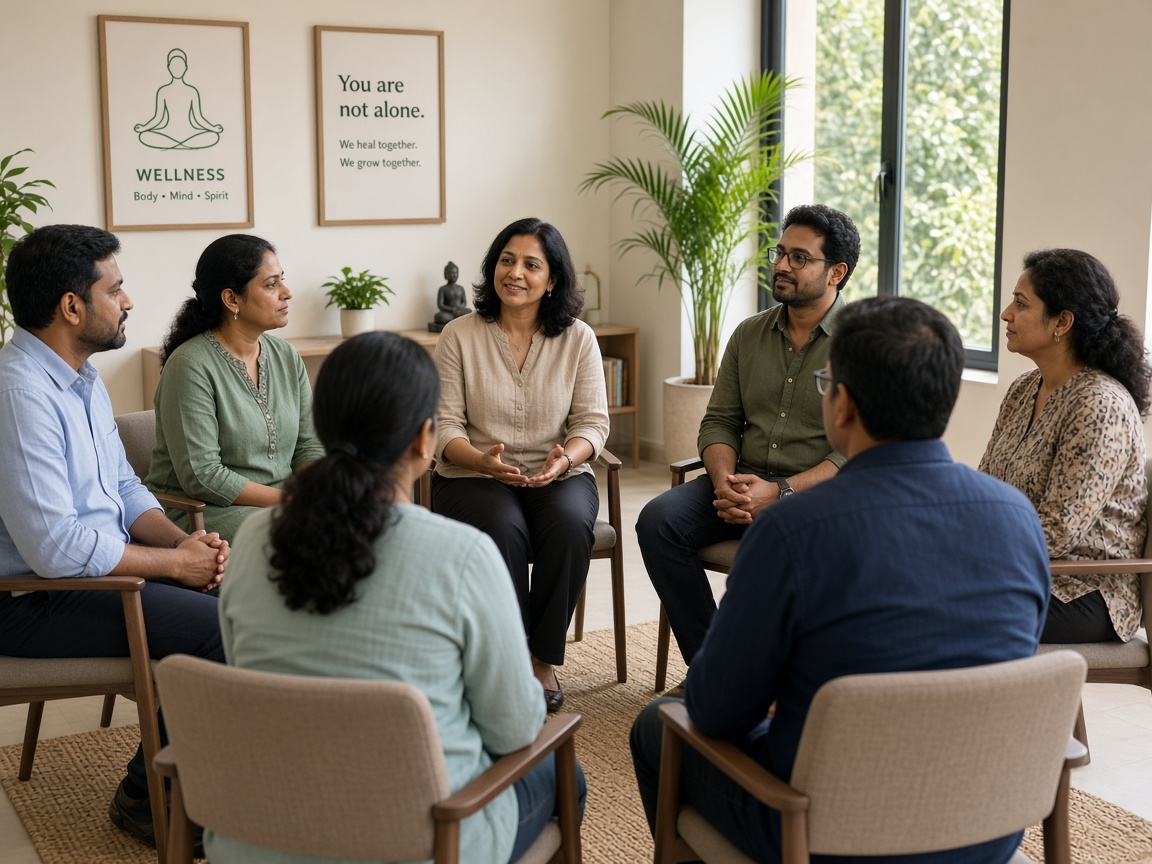 07
07
Peer-support sessions that encourage sharing, confidence and mutual encouragement.
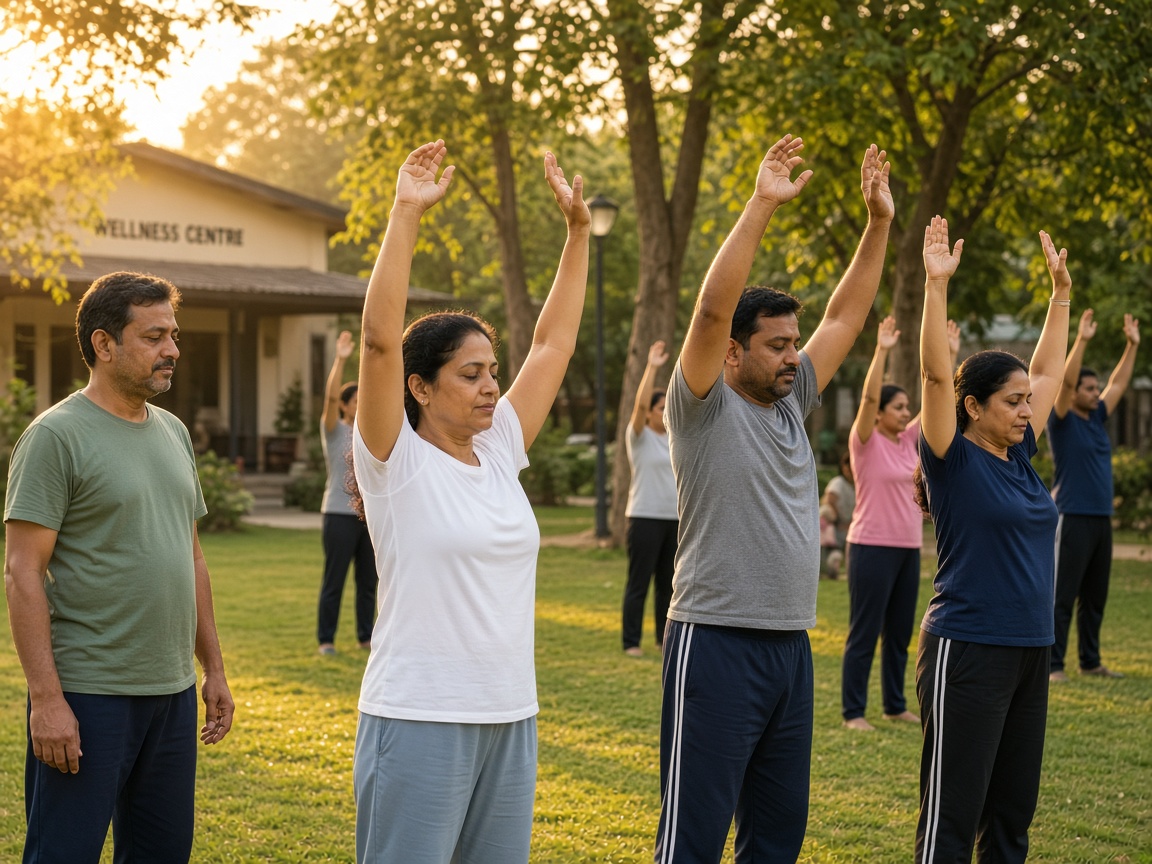 08
08
Daily structure, life skills and recovery-oriented activities for lasting change.
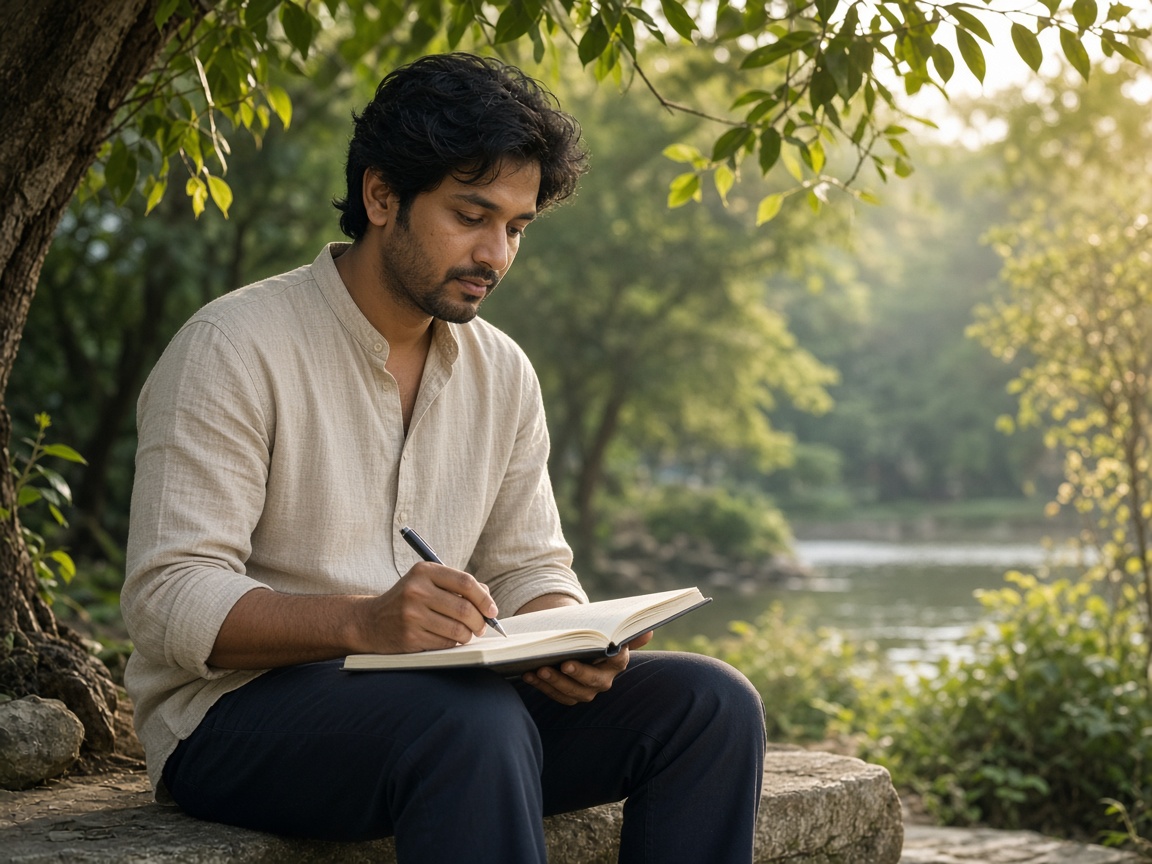 09
09
Practical strategies to recognise triggers and protect long-term recovery progress.
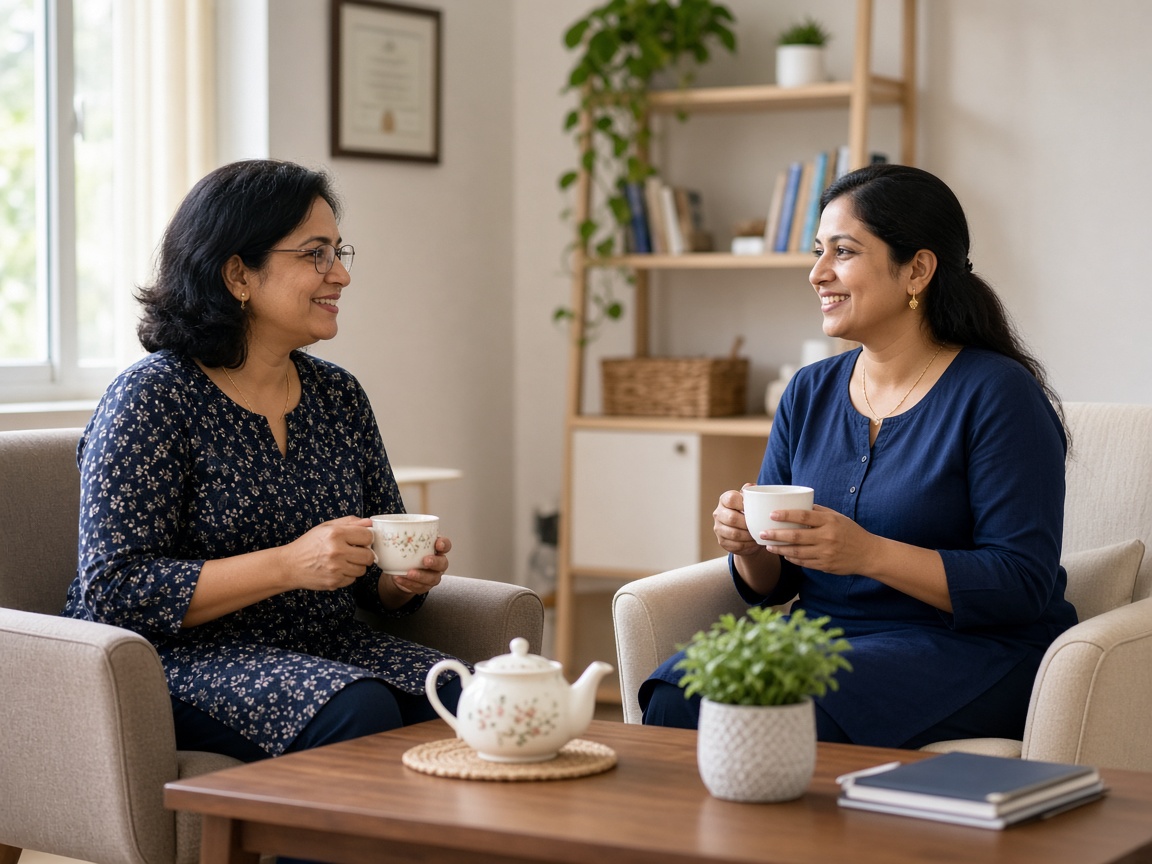 10
10
Continued counselling and guidance after a structured programme ends.
 11
11
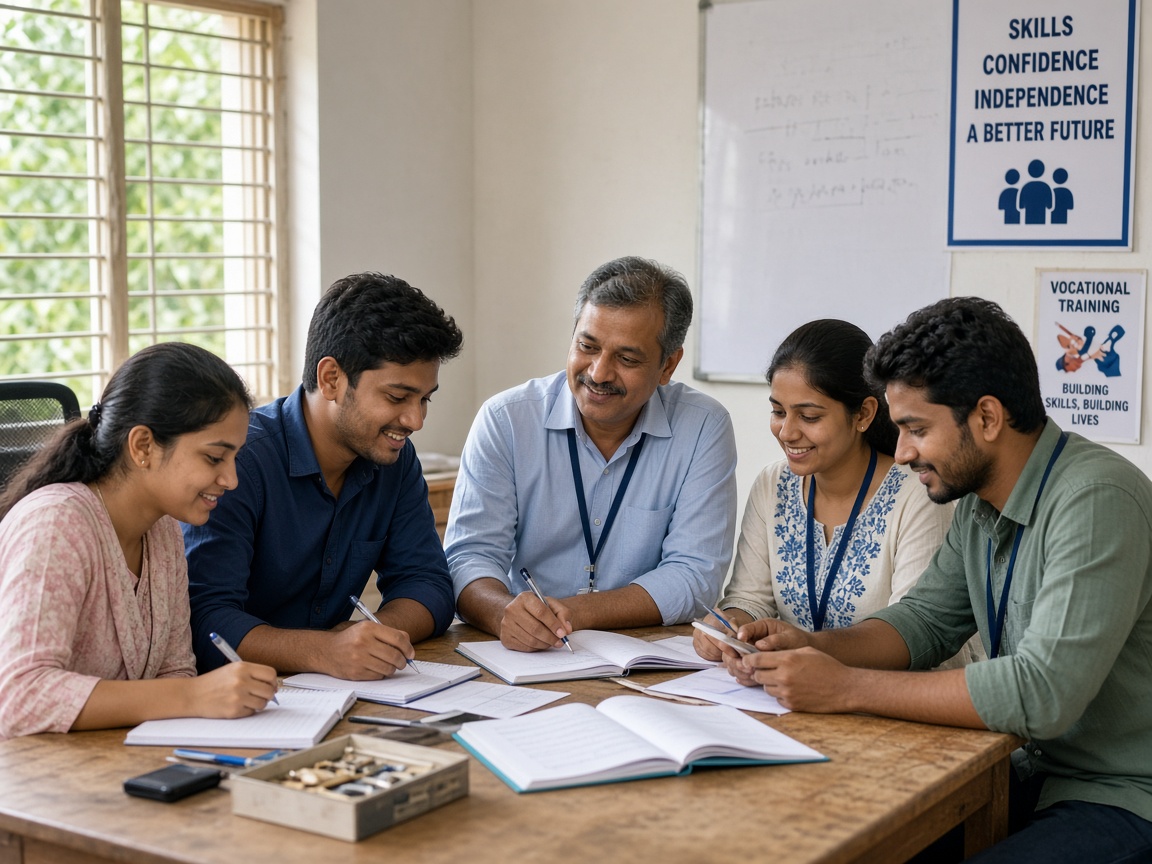
Building confidence, life skills and readiness to return to family and community life.
 12
12
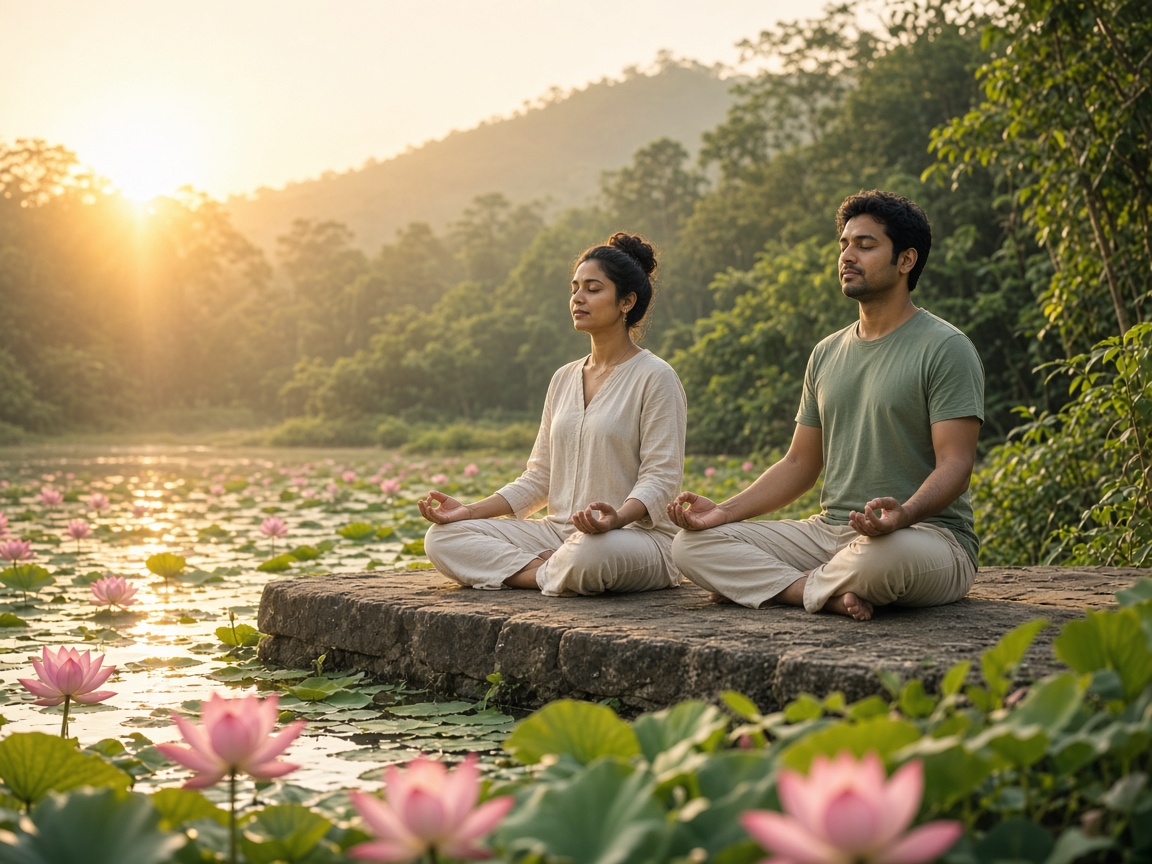
Mindfulness, relaxation and positive lifestyle practices that support emotional balance.
Alcohol dependence can affect physical health, emotions, relationships and daily responsibilities. Structured counselling, craving awareness and long-term recovery support can help people work toward healthier choices.
Explore alcohol recovery support →Substance dependency often needs individual recovery planning, behavioural support and regular progress reviews. We focus on practical steps that respect medical safety and emotional readiness.
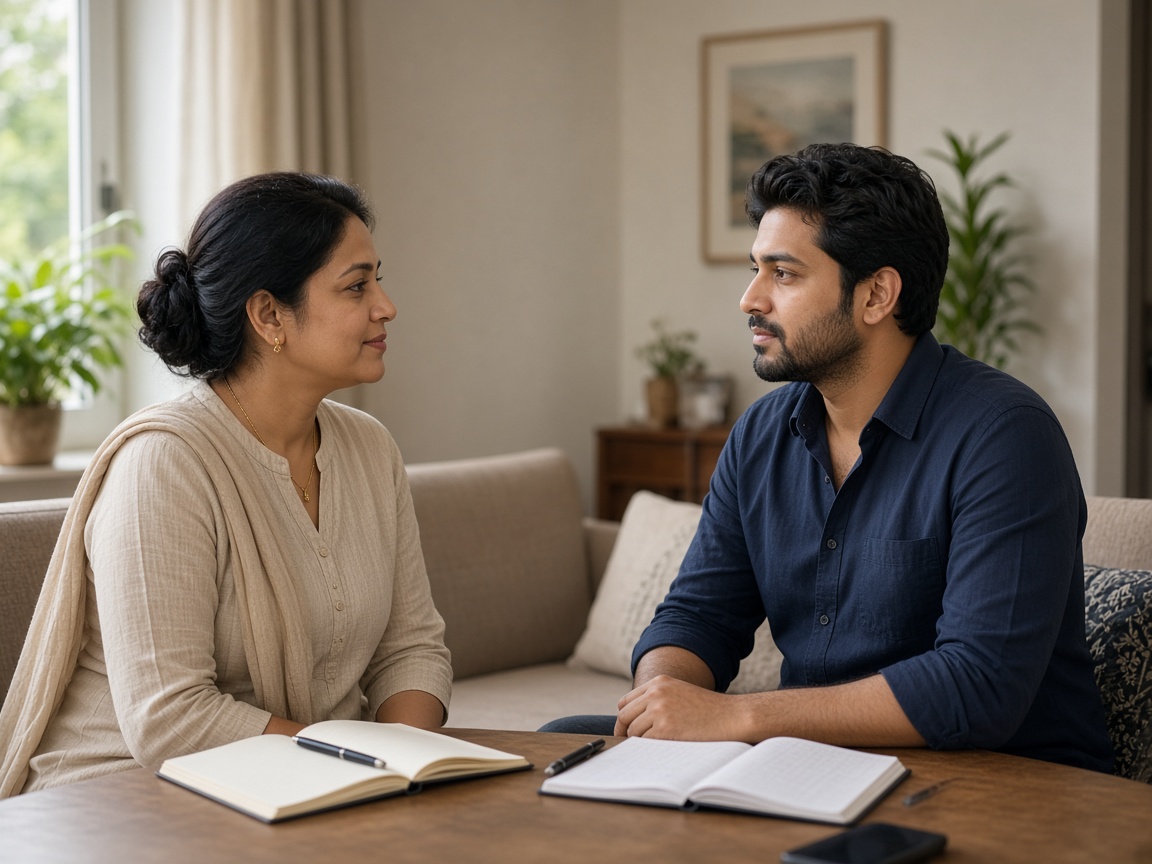
Explore drug recovery support →Addiction is rarely only about the substance. It often involves stress, habits, emotions, relationships and the ways people cope with difficult moments. Individual counselling, psychological and behavioural therapy, family counselling and group sessions can help people understand triggers and practise healthier responses.

Rehabilitation is about more than stopping a habit. It is about rebuilding routine, responsibility, life skills and confidence. A recovery-oriented programme can help individuals practise healthier days — one step at a time — while preparing for life at home and in the community.
Explore Rehabilitation ProgramYoga and meditation do not replace medical care or counselling. They can, however, support relaxation, self-awareness, healthier routines and a calmer relationship with stress — valuable companions on a recovery journey.
Explore Yoga & Meditation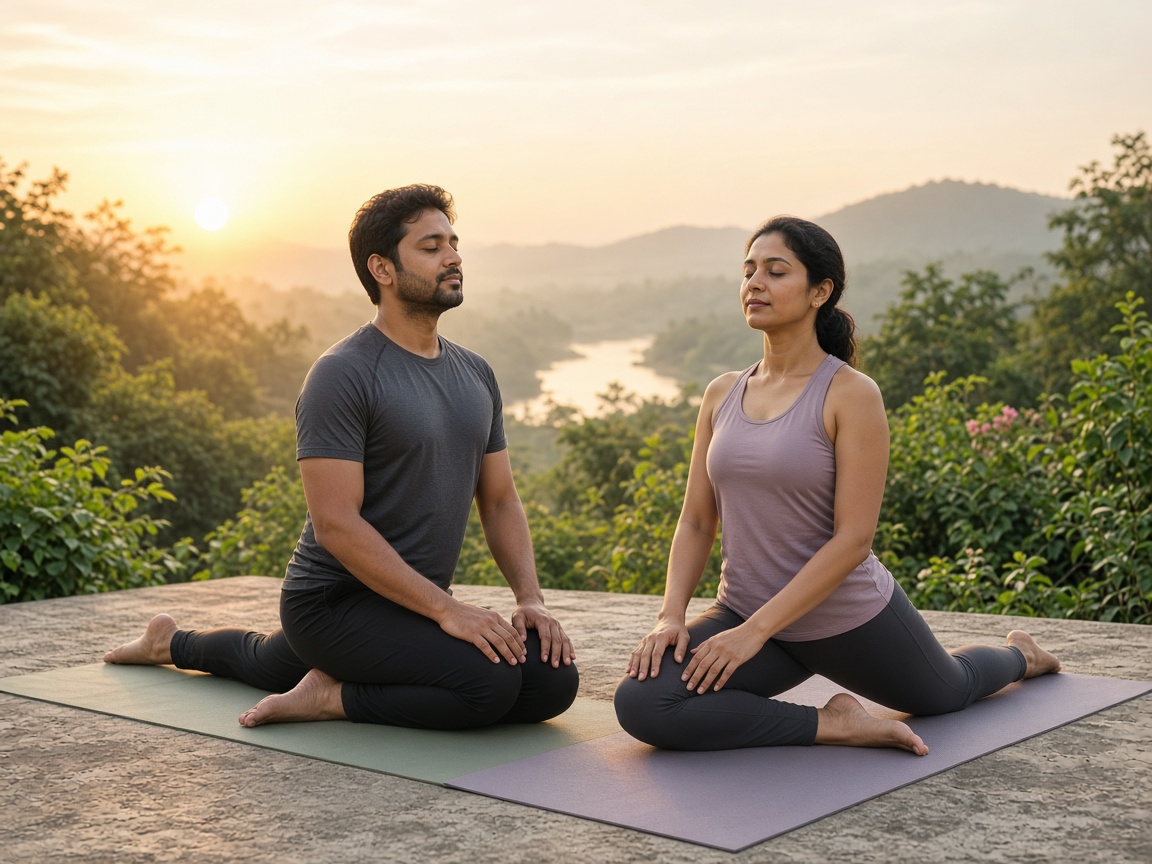
Recovery is an ongoing process. Understanding triggers, planning for high-risk moments and building coping skills can help people protect their progress after a structured programme.
Learn about relapse prevention →Addiction often affects the whole family. Education, healthier communication and shared planning can reduce conflict and create a more supportive home environment for recovery.
Learn about family counselling →Every journey is unique. This outline shows the kind of supportive process many individuals and families find helpful.
A first discussion to understand concerns, history and what support may be needed.
Listening carefully to personal challenges, motivation and family context.
Outlining counselling, routine, wellness and family involvement in a clear plan.
One-to-one and group support to build insight, motivation and coping skills.
Daily structure, life skills and recovery-oriented activities.
Helping families communicate and prepare for healthier relationships at home.
Identifying triggers and creating practical plans for difficult moments.
Follow-up support so progress can continue beyond a structured programme.
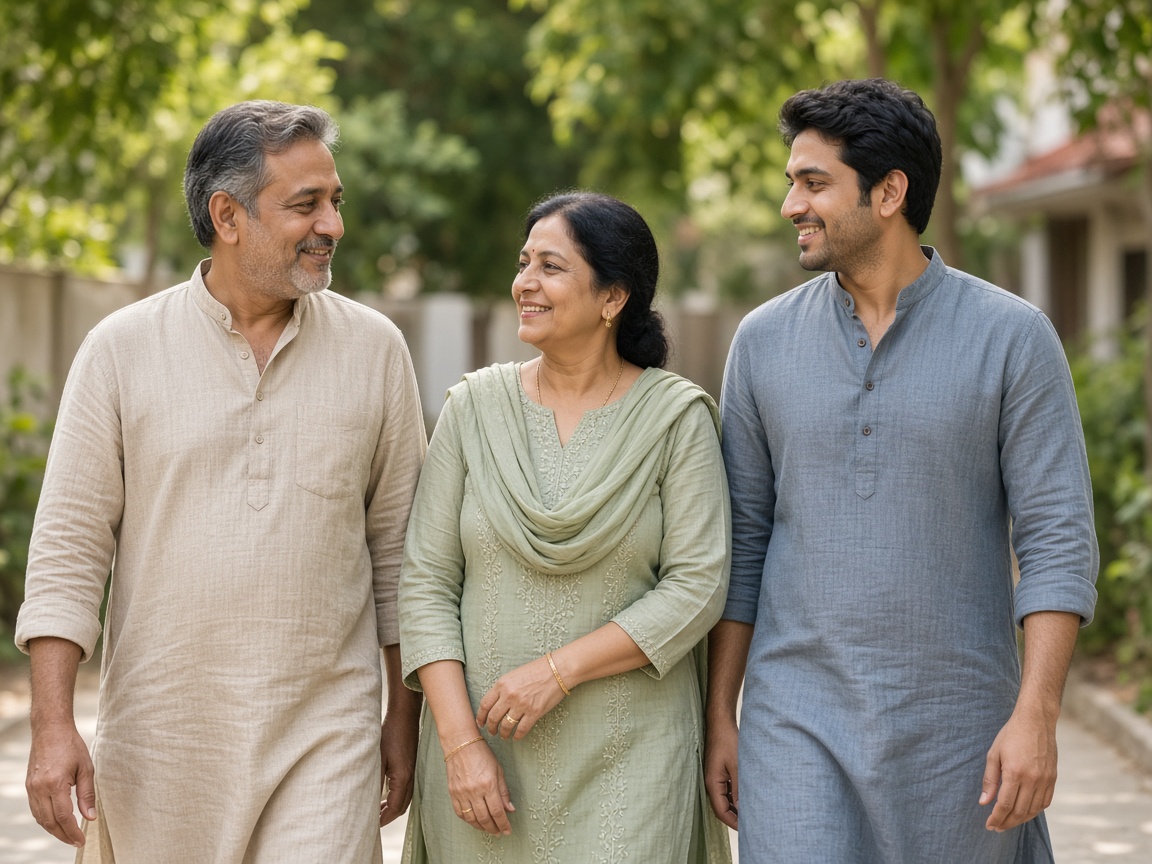
Sleep, nutrition, movement, meaningful activity and honest communication all play a part in feeling steadier. Skill development and social reintegration can help people rebuild confidence as they return to family and community life.
Skill Development & ReintegrationIt is structured help — through counselling, rehabilitation routines, family guidance and wellness practices — that supports a person working toward healthier habits and a more stable life.
Counselling can help people understand triggers, strengthen motivation, manage emotions and practise healthier coping strategies in a confidential setting.
Addiction often affects communication and trust at home. Family counselling offers education and tools so relatives can support recovery more effectively.
Speak with us on WhatsApp or call to learn more about counselling, rehabilitation and wellness services near Kairana–Panipat Road.
Kairana–Panipat Road, Opposite Raj Nursery, Beside Hero Agency, Shamli – 247776, Uttar Pradesh.
Kairana–Panipat Road
Opposite Raj Nursery, Beside Hero Agency
Shamli – 247776, Uttar Pradesh
Kairana–Panipat Road, Opposite Raj Nursery, Beside Hero Agency, Shamli – 247776, Uttar Pradesh